


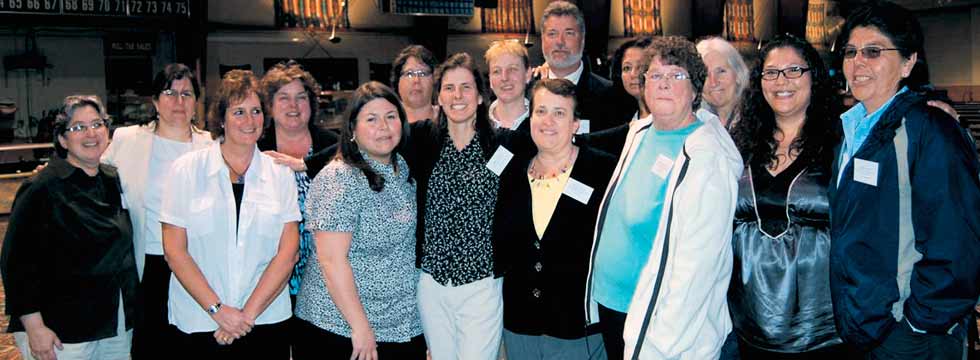
Photo courtesy of Seven Eagles Media Productions
In 1978, under pressure from a growing body of evidence and pubic awareness, Congress passed the Indian Child Welfare Act (ICWA). Signed into law, ICWA gave formal recognition to a long understood reality: that native families had suffered unjustly under racially biased policies designed to disrupt community, disband traditional family structure and solve “the Indian problem” by assimilating native children into white society.
Among other things, this new law recognized the importance and worth of culture, and created legal protections for that, mandating that native children remain within their communities and granting tribes the status of “third parents” in child welfare cases.
ICWA was an important step forward in protecting the rights of native children, their families and the tribes as a whole. Unfortunately, practice did not immediately fall in with policy. The underlying racial tensions and social biases that had resulted in the need for the law did not disappear overnight. Children continued to be taken and placed with white families, and interactions between tribal communities and state welfare remained tense, filled with anger and mistrust.
Recognizing the dilemma, a dedicated group of individuals representing all the interested parties met to find a solution. Joint trainings were created, ways to fulfill compliance, efforts at cultural competence, all were brought forward with good intent – and yet, things did not seem to be able to move forward.
Seeking a better future, the group continued to meet and engage in difficult – but meaningful – conversation. It was from these discussions that a new understanding arose: before we could go forward, we had to go back. The hurts and wrongs of the past had to be addressed, recognized and understood before a new start was possible. It was decided then to create the Maine Wabanaki-State Child Welfare Truth & Reconciliation Commission.